
Harry Haugeto, Director of Operations
July 05, 2018
On May 23, 2018, a PT inspection rag down in the forward compartment bilge of a submarine in Building 260 caught fire when a spark from welding escaped the containment. Workers in the area smelled smoke and responded. One worker yelled, “FIRE!!! FIRE!!! FIRE!!!” pulled the game well switch on the CASCON unit and stayed in touch with emergency services. The other worker took the nearest fire extinguisher and put the fire out. Fortunately, no one was injured and no shipboard damage was done because the fire was extinguished in the incipient phase.
On June 18, 2018, a simulated fire in the engine space of the very same submarine was initiated. Trades personnel walked by the simulated firebox and had to be prompted by the drill monitor to initiate the response and actions. The tradesperson also needed prompting on how to pull the game well switch on the CASCON unit, how to use the CO2 extinguisher and how to lay it down. When the simulated fire did not go out, the tradesperson did not yell “FIRE!!! FIRE!!! FIRE!!!” to surrounding personnel in the area as he left the compartment. After debriefing this drill, it is clear we need to do a better job to prepare the workforce to be alert and respond to a casualty.
Let’s rewind the clock back six years. On May 23, 2012, a fire was called away in the forward compartment of the USS Miami while in dry dock up at Portsmouth Naval Shipyard. The fire was not caught at the incipient phase (it was later determined to be arson) and continued to grow and become more dangerous. The fire could not be contained by the shipyard fire department and aid from places as far away as Boston and the New London Subase responded. If it were not for the very heroic efforts of the firefighters, the ship would have been lost. In fact, contingency plans were in place to flood the dry dock. Seven firefighters were injured, but fortunately, there were no fatalities. Efforts were put in place to restore the ship, but when the estimate climbed over $450 million in August of 2013, it was decided to stop the efforts and decommission her.
Since January 2014, over 1,500 employees have started their careers in Groton Operations. The shock, horror, and devastation of the USS Miami might not be in their ‘Shipyard DNA.’ We have outstanding instructors who train the workforce on how to respond to a shipboard fire, and we cannot afford to have a casualty or major damage to a submarine in order to have this information sink in. We all need to remain vigilant. As you start your task shipboard, know where the nearest CASCON unit is and your muster point. If you are doing hot work, make sure you assess your surroundings and meet the requirements before producing a spark. At the end of your shift, clean up your area. If something fell into the bilge, take the time to retrieve it. Doing these little things will go a long way in preventing a fire and keeping us all safe.
Delivering the Future
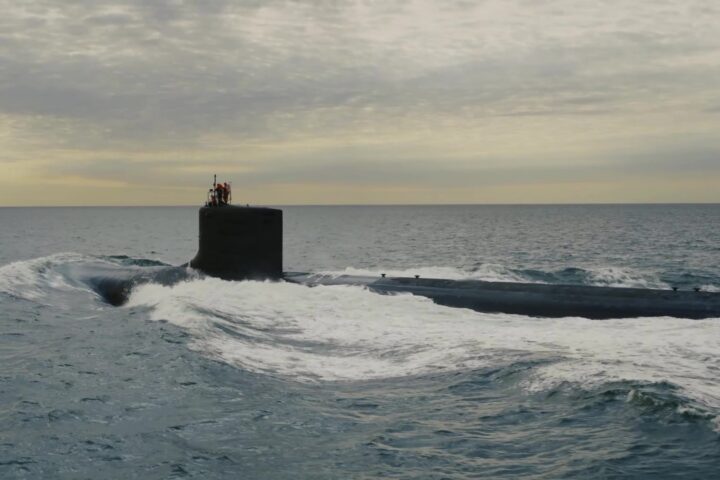
Some imagine the future. We deliver it now.
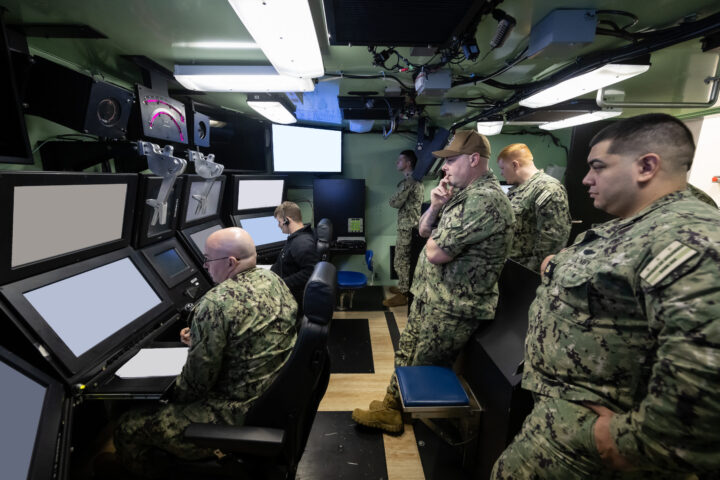
State-of-the-Art Simulator Prepares District of Columbia Crew for its Mission
As construction of the District of Columbia (SSBN 826) continues apace in EB’s South Yard Assembly Building, the sailors who will soon be at the controls are spending hours in a dynamic, high-tech simulator learning the intricacies of operating the 21,000-ton, first-in-class boomer. The Columbia Ship Control Operator Trainer (CSCOT) is a replica of the...Continue reading→
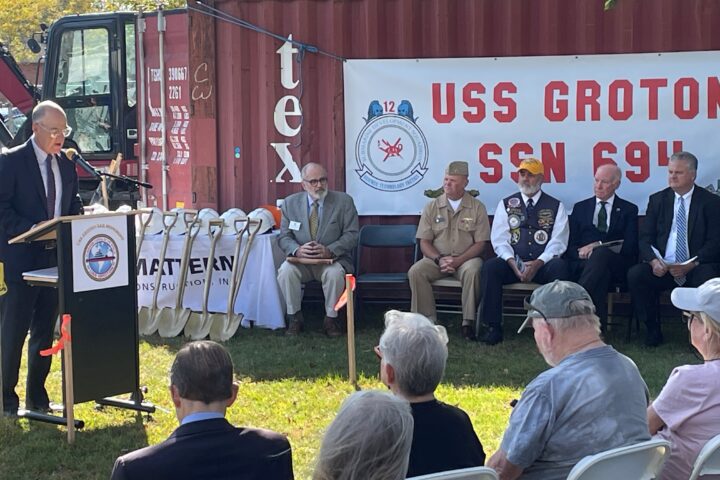
Groundbreaking Ceremony Marks Start of USS Groton Sail Monument
Fifty years after the USS Groton (SSN‑694) first launched, dozens gathered outside the Groton Public Library Oct. 9 to celebrate the groundbreaking of the USS Groton Sail Monument. The $6.6 million project—three decades in the making—will honor the men and women who design, build, operate and maintain the Navy’s submarines, as well as the families...Continue reading→

A Celebration of Heart, Community and Victory
2026 American Heart Association Eastern Connecticut Heart Walk Recap Saturday, October 3, 2026 | UConn Avery Point The 2026 American Heart Association Eastern Connecticut Heart Walk at UConn Avery Point was nothing short of extraordinary. Under bright autumn skies, 26 incredible Electric Boat teams and 151 walkers came together with passion, purpose, and unstoppable energy...Continue reading→
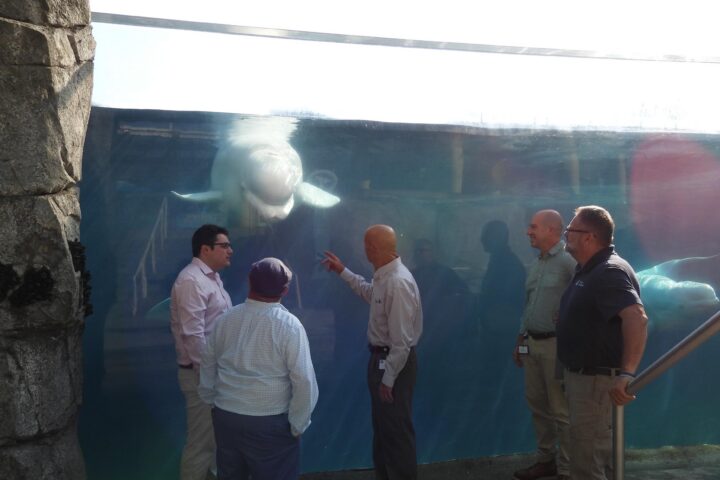
Quonset Point Donation Will Help Keep Mystic Aquarium’s Belugas Cool
Juno, the Mystic Aquarium’s convivial, photo-bombing Beluga whale, will continue swimming in cool comfort thanks to an unlikely chain of events that began 40 miles east in an Electric Boat industrial building at Quonset Point. That’s where EB’s Russ Tatro and Chris Logan were going over plans with a vendor, Carrier Corp., to replace Building...Continue reading→
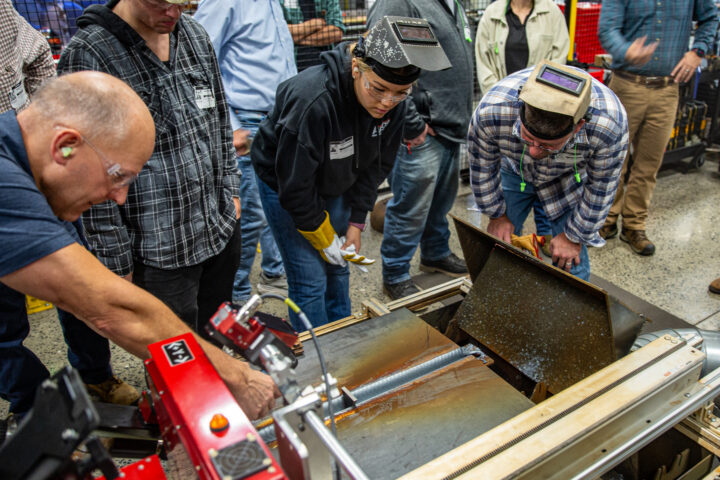
EB Team Visits Hypertherm as Part of Drive Toward Modern, Efficient Shipbuilding
A team from Groton and Quonset Point headed to New Hampshire-based Hypertherm Associates this week to get a closer look at a modern automated plasma gouging process designed to streamline hull fabrication. The visit was part of a broader effort across Electric Boat to bring more advanced, state‑of‑the‑art manufacturing tools into the shipyard. EB plans...Continue reading→
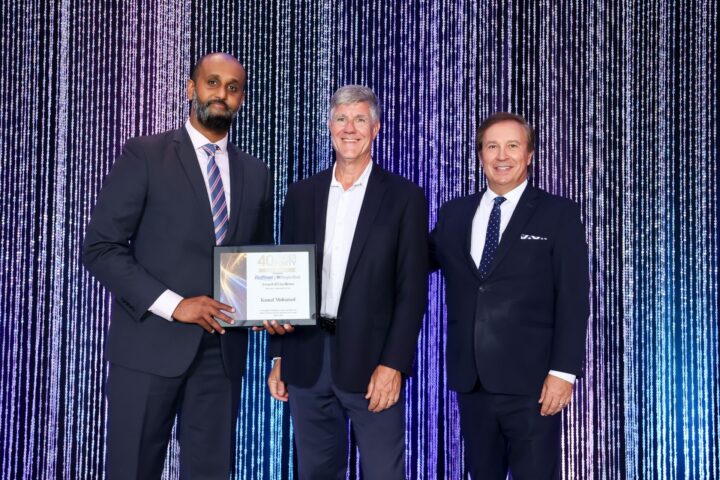
Kamal Mohamed Recognized as 2026 Hartford Business Journal 40 Under Forty Award Recipient
The Hartford Business Journal (HBJ) 40 Under Forty Awards recognize outstanding young professionals in the Greater Hartford area who are excelling in their industries through their leadership roles. They are driven by success, motivated by challenges and are role models for their peers. These individuals are part of an outstanding class of upcoming business leaders...Continue reading→
Electric Boat Joins Regional Leaders for Military Appreciation Breakfast
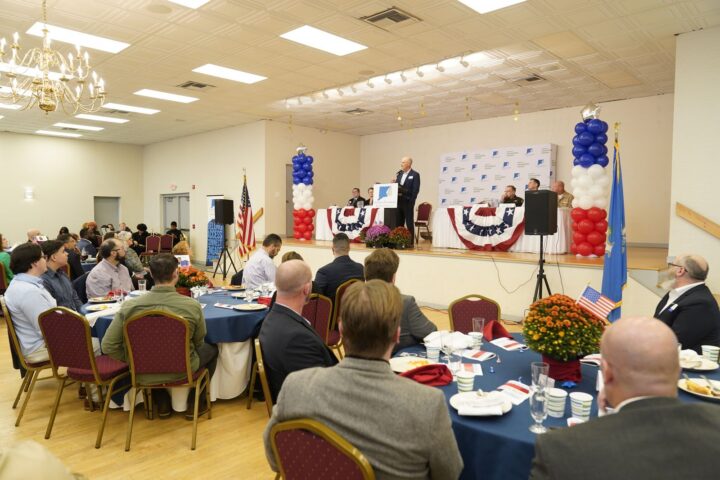
Electric Boat employees joined military and community leaders for the Chamber of Commerce of Eastern Connecticut’s annual Military Appreciation Breakfast on Sept. 30 at Ocean Beach Park’s Port ‘N’ Starboard. The event provided more than 120 complimentary seats to active-duty service members from the Navy, Coast Guard and Connecticut National Guard. General Dynamics Electric Boat...Continue reading→
One Week Left—Let’s Claim the Torch! AHA Eastern Connecticut Heart Walk: Final Countdown
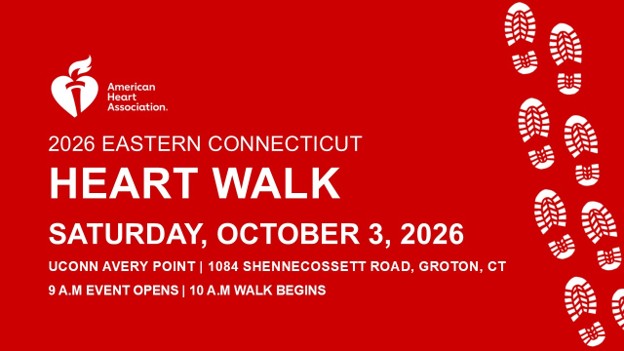
We are just one week away from the 2026 AHA Eastern Connecticut Heart Walk on October 3, 2026, at UConn Avery Point and this is our moment to finish strong. We’ve built incredible momentum, and now we’re within striking distance of something big. Right now, Electric Boat is holding second place, behind Mohegan Sun by...Continue reading→
803 Section 2B/5 Transported from Quonset Point to Groton
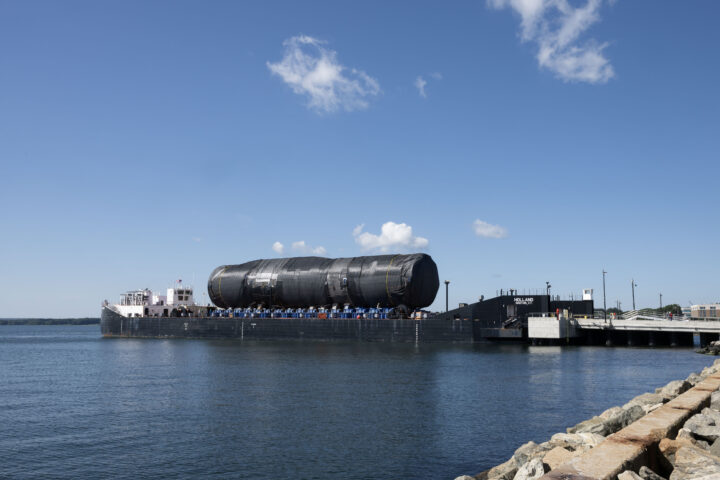
PCU Arizona’s (SSGN 803) Section 2B/5 was successfully delivered to Groton from Quonset Point. At 184 feet in length, this section – which includes the Virginia Payload Module (VPM) – is the largest Virginia-class shipment ever transported. Arizona, the first submarine to incorporate VPM, will be about 460 feet long upon final construction. Section 2B/5...Continue reading→