Photo by EB Employee Patrick “Pat” M. McCarthy, Principal Program Representative, Quality (D421).
Electric Boat Shipbuilders,
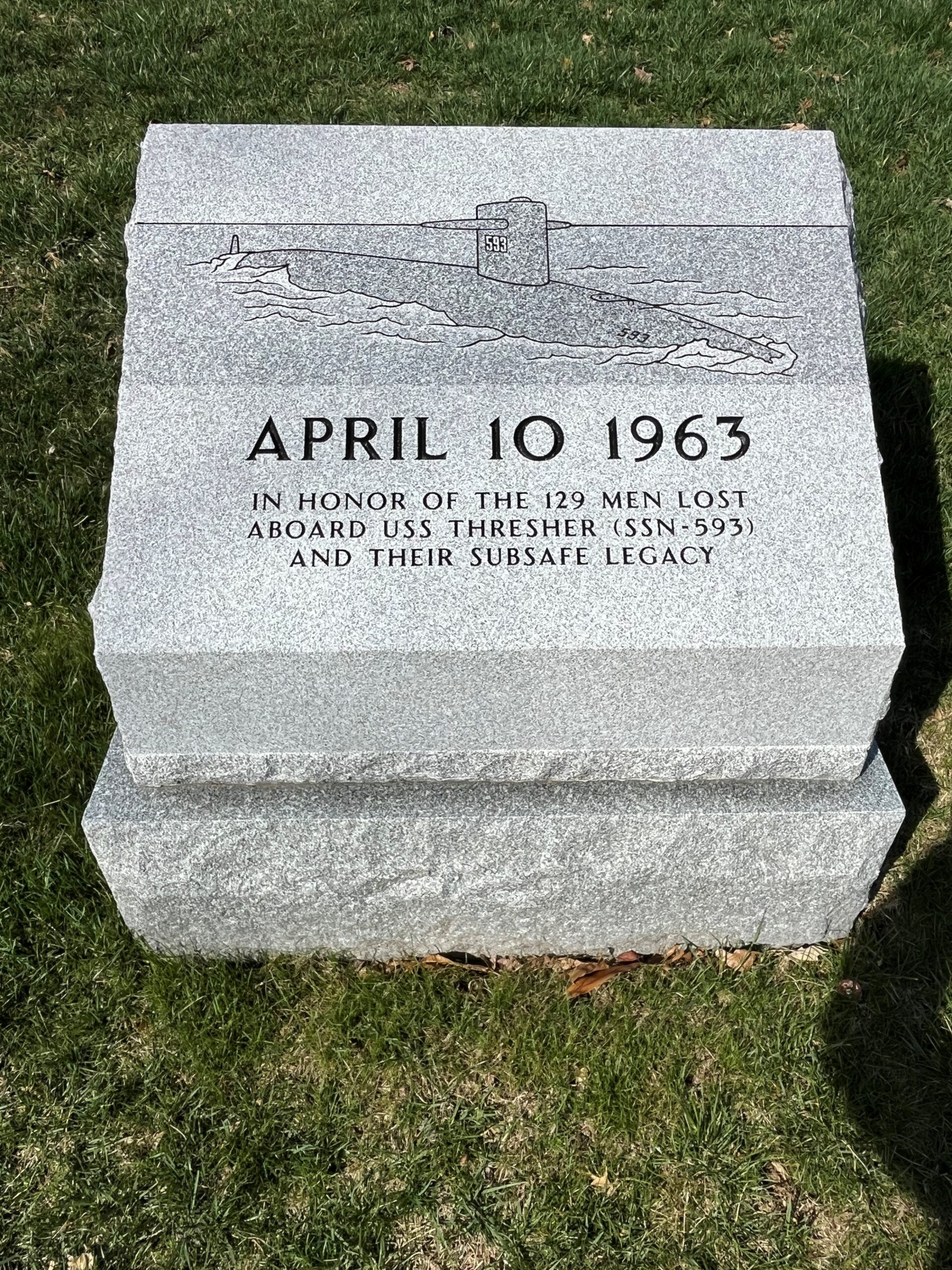
On the morning of April 10,1963, USS Thresher began her deep dive in 8,400 feet of water 220 miles off Cape Cod. During the dive, an unexpected message was received by USS Skylark, her escort ship: “Experiencing minor difficulties, have positive up angle, am attempting to blow.” This message was followed by additional garbled transmissions, and at approximately 9:18 a.m., silence. USS Thresher and her crew were lost.
Although several details of the actual events will never be known, it’s likely a brazed pipe joint in one or more seawater pipes failed. This failure would have caused saltwater impingement on propulsion plant electrical equipment, shorting out critical functions and shutting down the reactor plant. Without propulsion, the ship lost its means to drive to the surface and was forced to conduct an emergency main ballast tank (EMBT) blow. The EMBT blow is the last line of defense for a submarine to get to the surface in a casualty. Unfortunately, it’s likely that the high-pressure air in the main ballast tank air flasks had high moisture content that froze in pipes and filters, blocking air flow and preventing it from reaching the main ballast tanks, dooming the ship and her crew. This sequence of events prevented 129 sailors, contractors and shipyard workers from returning to their families and loved ones.
The Judge Advocate General Court of Inquiry convened following the loss of Thresher, and concluded design and construction activities were not keeping pace with the complexity of newer ship design and materials, as well as newer operational capabilities. Additionally, inadequate quality assurance, overconfidence in existing fabrication methods, lack of approved documentation, inadequate training and schedule pressure were contributors to the tragedy.
The compilation of learning from the loss of USS Thresher led to the inception of the SUBSAFE Program, the first of the three special emphasis programs (SEPs) designed to add safeguards including more robust oversight of critical systems and components where failure could jeopardize the safety of the ship, its personnel and the mission. The robust material condition we design into our ships, as well as the expert craftsmanship, technical rigor, comprehensive testing and certified documentation, combined with the requirements of the SEPs (SUBSAFE, DSS-SOC and Fly-by-Wire Ship Control System), provide the assurances we owe to the crew and their families. The quality of our work forms the crew’s trust in us that they can depend on their ship to carry out its mission.
Take a moment to revisit what we have learned from the loss of USS Thresher, and consider how we are tackling problems that arise on a daily basis. Unplanned event learning sessions provide an essential opportunity to pause, reflect and learn when things don’t go to plan, and ensure we don’t make the same or similar mistakes. Our willingness and ability to attack and resolve problems when they are small is a foundational and critical part of our culture, and one that requires work and commitment from all shipbuilders. Understanding the root cause of the problem and implementing corrective actions to correct deficiencies and prevent recurrence ensures that we can confidently certify each ship we deliver to the Navy.
I ask each of you to reflect on this tragedy and relate learning from this event to the work you do today as we execute in this historic shipbuilding environment. No matter how you contribute to our product, the quality and verification of your work is vital to the safety of the ship, its crew and the success of its mission. This focus is especially important as we transition from our core Virginia Block I-IV design and construction programs to the new Virginia Block V (Virginia Payload Module), Block VI and Columbia programs. The unique capabilities of our products, coupled with the world security environment, are driving us to deliver at a much quicker pace. As we all face this pressure to deliver at a more rapid rate, it’s vital we remember our commitment to first-time quality. Lives hang in the balance.
As we grow as a business and onboard new shipbuilders, we need to ensure that we convey this duty and our culture of quality to the next generation.
Throughout the week you will see displays at each site to commemorate the loss of USS Thresher. Please take a moment to recognize each of the 129 flags representing a sailor, contractor or shipyard worker who never came home because of the tragedy. Consider how each flag carries with it the weight of the impact the individual losses had on their families
Thank you for your continued commitment to honoring the lives lost aboard USS Thresher through the thoughtful work you do each day to prevent a similar tragedy.
Sean Reith
Quality Assurance and Special Emphasis Programs Director
MDA Apprenticeship Application Now Open
Application Window: August 1, 2026 – August 31, 2026 The MDA Apprenticeship Program is a four-year initiative designed to develop a highly skilled workforce for Electric Boat. This program provides three years of on‑the‑job training alongside qualified subject matter experts, combined with classroom instruction across various technical disciplines. Participants gain advanced skills, broaden their expertise, and...Continue reading→

Building 600 Tech Stop Relocation
On Monday, August 3, 2026, Facilities will be relocating the Tech Stop currently located in Building 600 4th Floor East to its new location in Building 130-01 Classroom 7. During this time, please utilize the alternate Tech Stop location: B708 (625 Long Hill Road) Hours: Monday – Friday: 7:00 am – 3:00 pm The tech stop will resume...Continue reading→

A Message From Mark Rayha: Historic Contracts/Rayha Report
Today marks one of the most significant moments in Electric Boat’s history. As part of its $76.6 billion submarine contract announcement, the U.S. Navy has awarded Electric Boat ship construction contracts valued at $29.5 billion for five Columbia-class submarines and $42.1 billion for nine Virginia-class submarines, along with incentives for shipyard infrastructure. Click here to read the...Continue reading→

Electric Boat featured in latest episode of ‘Cast in Steel’
General Dynamics Electric Boat is featured in the latest episode of Cast in Steel, a web series that showcases the leaders of America’s steel industry as part of their competition to promote careers in metalworking. The Cast in Steel team visited our Quonset Point facility to highlight how EB’s shipbuilders transform flat steel into nuclear...Continue reading→
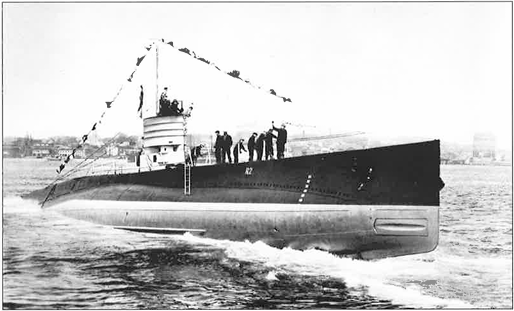
EB’s Groton Shipyard Celebrates 100 Years of Submarine Construction
The first submarine ever built in Electric Boat’s Groton shipyard slid gracefully from its ways into the Thames River 100 years ago, taking to the water with “scarcely a splash” before a crowd of 1,500, according to newspaper accounts at the time. A century after the 800-ton, 200-foot-long R2 was launched, EB shipbuilders continue to...Continue reading→
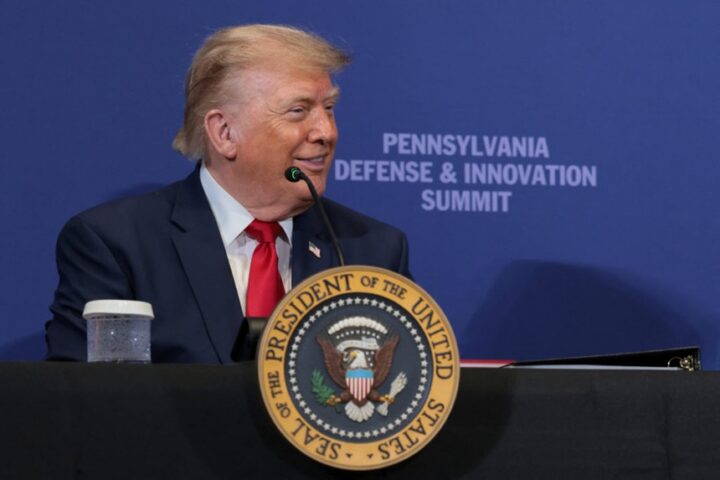
President Trump Gives Our Submarines a Shoutout at Pennsylvania Innovation and Defense Summit
During his remarks at the Pennsylvania Innovation and Defense Summit held on July 15 at the U.S. Army War College in Carlisle, PA, President Donald Trump introduced attendee Danny Deep, president of General Dynamics. In his quick words to Danny, President Trump recognized General Dynamics for building “the greatest submarines in the world.” Continue reading→
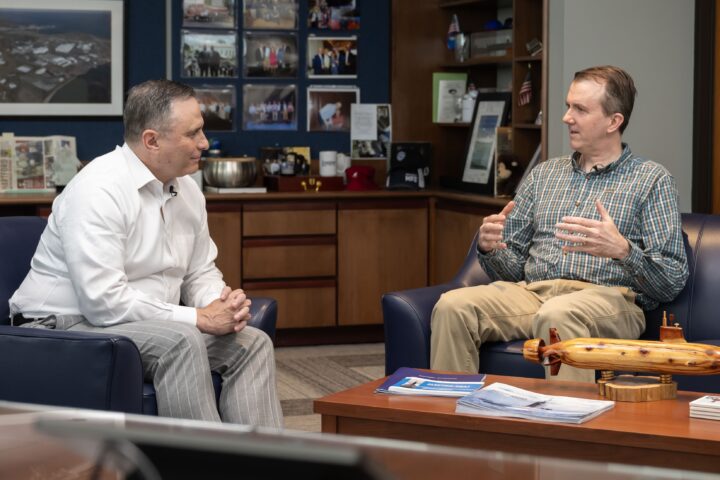
Rayha Report Ep. 23: Matt Olander Honored by UConn College of Engineering
In this episode of the Rayha Report, EB President Mark Rayha speaks with Matt Olander, senior vice president of programs and engineering, about his personal career journey and recent return to UConn’s College of Engineering as an honorary degree recipient and 2026 commencement speaker. Watch Matt’s commencement speech on the UConn College of Engineering YouTube channel.Continue reading→
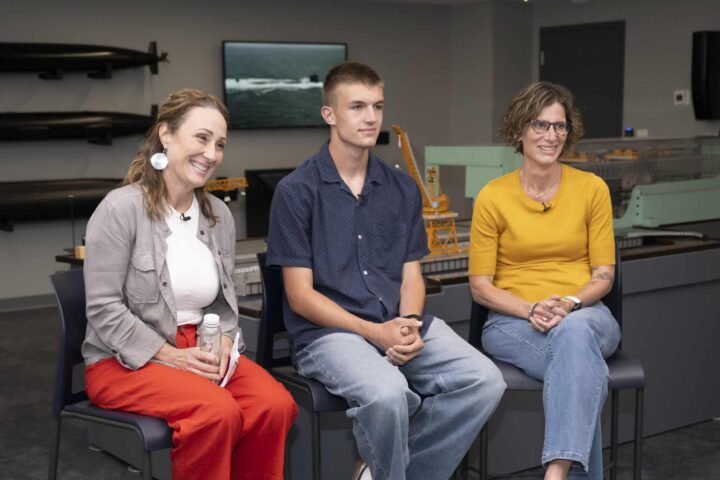
Rayha Report Ep. 22: Run to Home Base 2026
In his latest Rayha Report, EB President Mark Rayha talks with Run to Home Base co-chair Tammee Sweck and runners Amy and Greyson Stephenson about why this annual fundraiser means so much to our veterans, service members, and their families. Learn how Team General Dynamics is preparing for the July 25 event at Fenway Park...Continue reading→
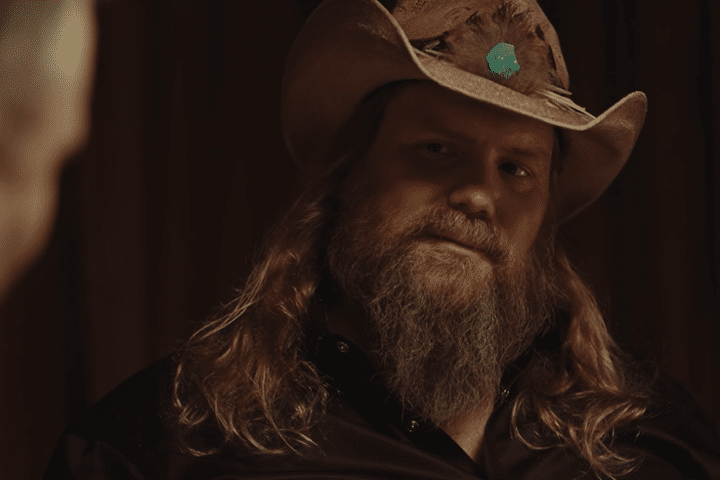
Rayha Report Ep. 21: Backstage With Chris Stapleton
In the latest Rayha Report, EB President Mark Rayha hit the road for a backstage chat with American singer-songwriter and guitarist Chris Stapleton. Chris is not only an extraordinary artist, but someone whose values resonate deeply with the people of Electric Boat: pride in craftsmanship, respect for hard work and a genuine love for this...Continue reading→
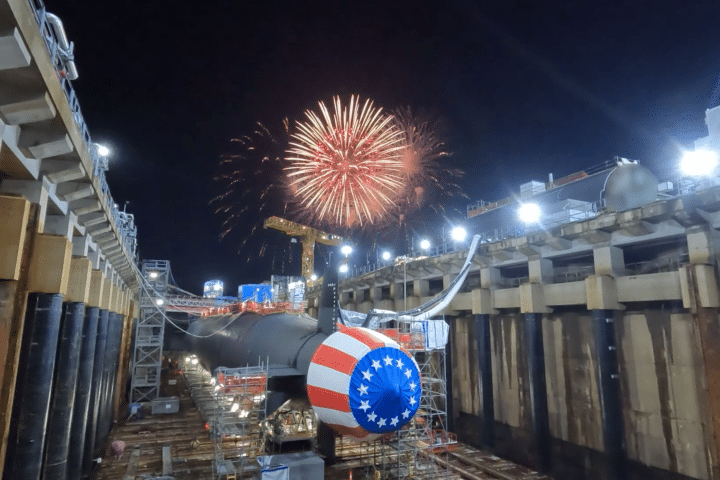
Happy Fourth of July
As America marks its 250th birthday, we celebrate the generations of shipbuilders whose skill and commitment have strengthened our nation, and especially thank our current generation of EB shipbuilders for all you’re doing to meet this challenging moment in history. Happy Fourth of July.